Magnesium Malate: 7 Benefits You Might Not Know
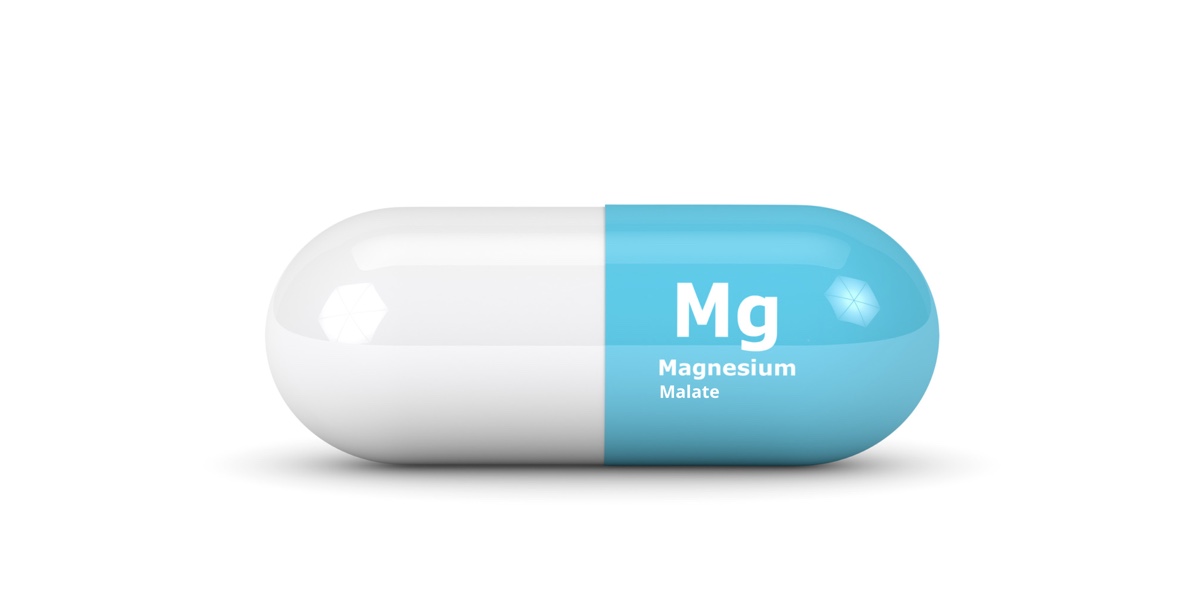
If you are looking for a form of magnesium designed for days of fatigue and for muscle well-being, magnesium malate is one of the most interesting options. It owes its name to malic acid, a protagonist in the cells' energy production process. In this article, I explain what makes it special and the seven most supported benefits — with my usual honesty about what is solid and what is preliminary.
What is magnesium malate?
Magnesium malate is a compound formed by magnesium and malic acid — an acid found naturally in apples and other fruits. What distinguishes it is precisely this malic acid: it is an intermediate of the Krebs cycle, the central biochemical process through which cells produce energy (ATP). It is well absorbed and generally gentle on digestion.
Magnesium is an essential mineral that participates in hundreds of enzymatic reactions in the body — the classic estimate points to over 300, and more recent enzymatic databases raise this number to over 600. Many of these reactions are directly linked to energy production, which helps to understand malate's association with combating fatigue.
The importance of magnesium in the body
Magnesium is indispensable for energy production, nerve and muscle function, and DNA synthesis. Its deficiency can manifest as cramps, tiredness, irritability, and muscle tension. Green leafy vegetables, nuts, seeds, and whole grains are good food sources; when there is a deficiency, supplementation can help.
The form associated with energy and muscle — gentle on digestion, ideal in the morning
The 7 benefits of magnesium malate
1. Support for energy production
This is malate's most characteristic benefit. Both magnesium and malic acid participate in the cellular energy production cycle. By correcting a magnesium deficiency, malate can help reduce feelings of fatigue in those who are truly deficient. Honest note: for those who already have adequate levels, it is not a stimulant or an "energizer."
2. Muscle well-being and less tension
Magnesium is essential for muscle relaxation and electrolyte balance. Malate is often chosen by those who experience muscle tension and discomfort, helping to reduce cramps and support recovery after exertion.
3. Chronic fatigue and fibromyalgia
Malate is sometimes associated with supporting conditions of persistent fatigue and fibromyalgia. Let's be clear about the evidence: some older, smaller studies suggested a benefit from the combination of magnesium and malic acid, but the evidence is limited and not robust. It is a possibility to explore with a doctor, not a certainty.
4. Muscle function and recovery in exercise
For those who exercise, maintaining good magnesium levels supports muscle contraction and relaxation and helps prevent cramps. Malate's good absorption and digestive tolerance make it a practical option, especially for morning intake.
5. Support for blood pressure
Like other forms, malate contributes to blood pressure regulation through vessel relaxation. The effect is modest in the general population and greater in those with hypertension or deficiency — and never replaces medication.
6. Blood sugar regulation
Magnesium participates in glucose metabolism and insulin sensitivity. Replenishing a deficiency can support glycemic control, especially in people with type 2 diabetes or at risk. It is a complementary support, not a treatment.
7. Mood and mental clarity
By contributing to the regulation of the nervous system and energy production, malate can help with feelings of vitality and a more stable mood, especially when fatigue is caused by a magnesium deficiency.
PHARMACIST'S ADVICE
Malate is my preferred suggestion when the main complaint is fatigue associated with muscle tension. As it can have a slight energy-boosting effect, it is preferably taken in the morning — avoid at night, so as not to interfere with sleep. If your goal is sleep or calmness, glycinate is more suitable.
How to incorporate into your routine
Start with low doses and gradually increase, respecting the upper limit of 350 mg of elemental magnesium per day from supplements. Morning intake is most indicated for this form. Always consult a healthcare professional before starting, to adjust the dose to your needs.
IMPORTANT WARNING
This article is for informational and educational purposes. It does not replace professional medical or pharmaceutical advice. Always consult a healthcare professional before starting any supplementation, especially in cases of kidney disease, chronic medication, or pregnancy.
Want to delve deeper into this topic?
I wrote a complete guide — "Magnesium the guide from your Pharmacist" — where I individually delve into each of the main types of magnesium available on the market, as well as all relevant information.

Another guide written by me that might interest you is Magnesium: Energy & Vitality.
Luis Coutinho
Pharmacist | IIN Health Coach.
Founder of Balance by LC — balancebylc.com
This article is for informational and educational purposes. It does not replace professional medical or pharmaceutical advice.
Get scientific information about supplements every week
Subscribe and get for free: The 5 Essential Supplements I never skip.