Magnesium Glycinate: 7 Benefits You Might Not Know
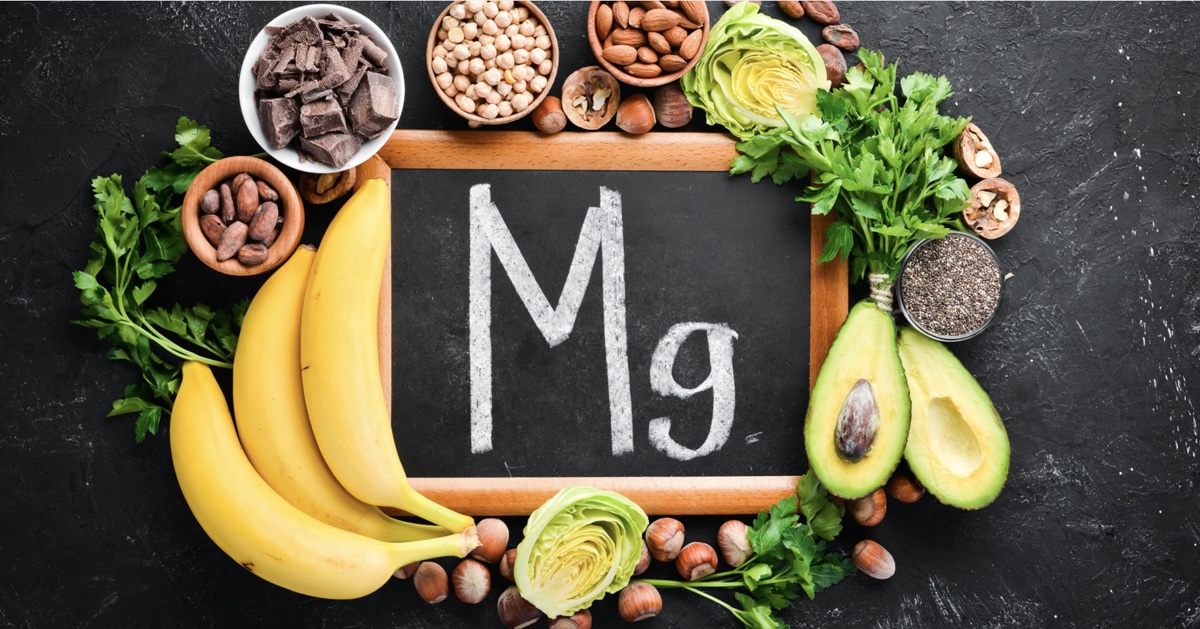
Of all the forms on the market, Magnesium Glycinate is probably the most recommended for those seeking calm and stress reduction, improved sleep quality, and smooth digestion. In this article, I explain what it is, why it is so well tolerated, and the seven most scientifically supported benefits – always with the honesty of distinguishing what is solid from what is still preliminary.
What is magnesium glycinate?
Magnesium glycinate is a compound formed by magnesium and glycine, an amino acid. This combination makes it one of the most bioavailable forms of magnesium, meaning it is well absorbed and utilized by the body. Unlike other forms, which sometimes cause digestive discomfort, glycinate is gentle on the stomach, making it a good choice for those with a sensitive digestive system.
Magnesium is an essential mineral that participates in hundreds of enzymatic reactions in the body; the classic estimate points to over 300, and more recent enzymatic databases raise that number to over 600. When bound to glycine, the compound not only improves magnesium absorption but also adds the calming effect of glycine itself, which can help reduce stress and improve sleep quality.
The importance of magnesium in the body
Magnesium is involved in processes as diverse as energy production, DNA synthesis, and the normal functioning of nerves and muscles. Despite its importance, many people do not get enough magnesium through their diet, which can contribute to various health problems.
A magnesium deficiency can manifest in several ways – muscle cramps, fatigue, irritability, and, in more pronounced cases, changes in heart rhythm. Foods rich in magnesium include leafy green vegetables, nuts, seeds, and whole grains; even with a balanced diet, supplementation can sometimes be useful.
The gentlest and best-absorbed form — ideal for sleep, stress, and the mind
The 7 benefits of magnesium glycinate
1. Improved sleep quality
This is perhaps glycinate's most well-known benefit. Magnesium helps regulate neurotransmitters that signal the brain to relax and participates in the production of melatonin, the hormone that controls the sleep-wake cycle. Glycine, in turn, has a calming effect that can help you fall asleep faster. It is this dual action that often makes glycinate the form of choice for sleep.
2. Reduced anxiety and stress
Magnesium plays a role in regulating the stress response system, helping to keep cortisol levels under control, and supports the balance of neurotransmitters like serotonin. Meta-analyses suggest that magnesium can modestly reduce anxiety symptoms, especially in people who already have low levels. The calming effect of glycine enhances this benefit.
3. Muscle function and recovery
Magnesium is essential for muscle contraction and relaxation. A deficiency can lead to cramps, spasms, and weakness. By maintaining electrolyte balance, glycinate supports muscle function and can aid recovery after physical exertion – useful for those who exercise regularly.
4. Support for heart health
Magnesium helps maintain a healthy heart rhythm and contributes to blood pressure regulation by promoting blood vessel relaxation. Studies show that higher magnesium intake is associated with a lower risk of hypertension. Honesty is important here: the effect on blood pressure is modest in the general population and greater in those with hypertension or deficiency – and never replaces prescribed medication.
5. Blood sugar regulation
Magnesium participates in glucose metabolism and insulin action. A deficiency is associated with increased insulin resistance. Some studies indicate that magnesium supplementation can help with glycemic control, especially in people with deficiency or type 2 diabetes. It is not a treatment, but support within a global approach.
6. Bone health
Magnesium is fundamental for bone health: it aids in calcium absorption and metabolism and influences parathyroid hormone (PTH). Without sufficient magnesium, calcium is not well utilized. Maintaining adequate levels is part of a bone health strategy – alongside calcium, vitamin D, and exercise.
7. Mood balance and nervous system
By supporting neurotransmitter regulation, magnesium contributes to a more stable mood. The combination with glycine makes glycinate a particularly indicated form when the goal is calm and mental well-being – which is why it is so popular for those dealing with chronic stress.
PHARMACIST'S ADVICE
Glycinate is my first choice when the goal is sleep, anxiety, or irritability. It is preferably taken at night. It is well tolerated, but – as always – if you have kidney disease or take chronic medication, talk to your doctor or pharmacist before starting.
How to incorporate it into your routine
To get the most out of glycinate, consistency and the correct dose are most important. The recommended dose of magnesium varies with age, gender, and individual needs, and the upper limit for supplements is 350 mg of elemental magnesium per day. Start with lower doses and gradually increase. Always consult a healthcare professional before starting any supplementation to determine the appropriate dose for your case.
IMPORTANT WARNING
This article is for informational and educational purposes only. It does not replace professional medical or pharmaceutical advice. Always consult a healthcare professional before starting any supplementation, especially in cases of kidney disease, chronic medication, or pregnancy.
Want to delve deeper into this topic?
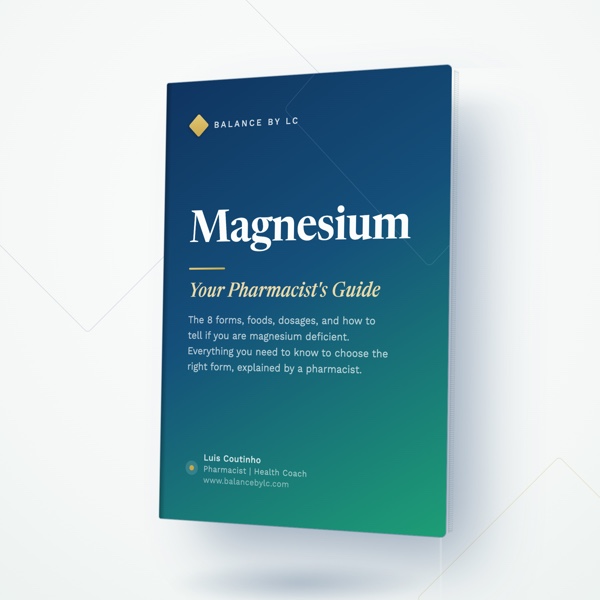
I have written a complete guide — "Magnesium: Your Pharmacist's Guide" — where I individually delve into each of the main types of magnesium available on the market, as well as all relevant information.
Another recommended guide is Magnesium and Sleep: The Reason for Poor Sleep?
Luis Coutinho
Pharmacist | IIN Health Coach.
Founder of Balance by LC — balancebylc.com
This article is for informational and educational purposes. It does not replace professional pharmaceutical or medical advice.
Get scientific information about supplements every week
Subscribe and get for free: The 5 Essential Supplements I never skip.